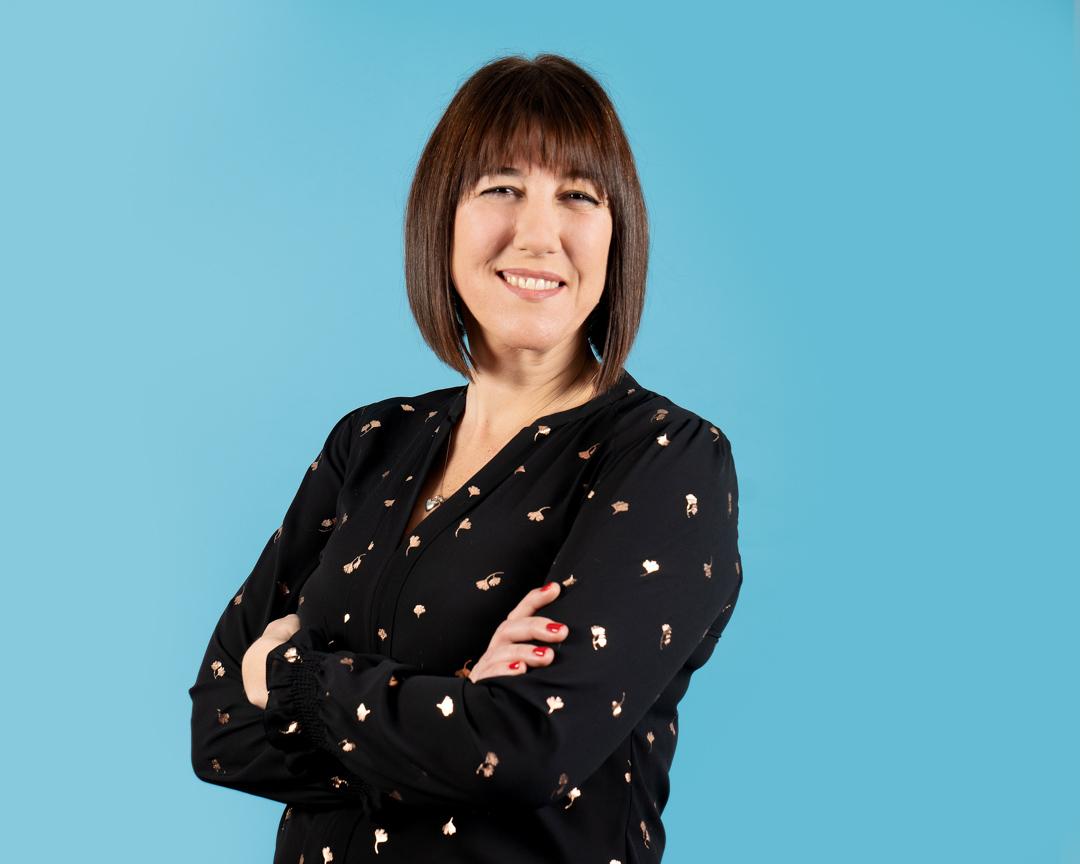
With over 20 years’ experience, Emma Coleman has spent most of her career in-house after a short (traumatic but highly entertaining) stint in high-street agency life. She has found her niche in professional services and currently works at a leading UK firm specialising in tax, accounting, and financial planning.
Emma is passionate about making recruitment visible, practical, and people-focused. Over time, her team has become an integral part of shaping the firm’s people strategy, demonstrating that recruitment is about more than filling roles and is central to the business’s success.
She is known for her practical, people-focused approach and for being open about topics such as neurodiversity, showing that leadership and vulnerability can go hand in hand. Emma leans fully into whatever she signs up for, contributing enthusiastically and getting as much from an experience as she gives.
What’s a recent professional achievement of yours that you are proud of?
I think I would have to reference being on stage at RecFest 2025. Being honest this had been on my bucket list for a while. When I was first approached by India, I was hesitant, as the topic was very personal and I wasn’t sure I was ready to share my own experiences and to so many people. The support and reassuring presence of the panel helped me take the leap. Delivering the session and sharing my experiences with neurodiversity made me realise that when we allow ourselves to be more open and vulnerable, it gives others permission to do the same.
At Old Mill, I’ve been focused on raising the visibility and strategic impact of recruitment across the business. Historically, Partner promotions and senior hires were managed by the C-suite through a largely closed process, with limited input from the recruitment team. I worked closely with senior leaders to redefine this approach, building structured processes, scorecards, and panel toolkits, while coaching managers and Heads of CSTs on best practice.
As a result, Partner recruitment is now led entirely by the recruitment team, demonstrating our strategic value, strengthening manager confidence, and moving recruitment beyond transactional hiring into a true business-partner function. This shift has enhanced both candidate experience and business outcomes, while raising the profile of recruitment across the firm.
What is your prediction for the future of the TA industry?
This feels like a bigger question than ever. It seems like only five minutes ago I was sitting at a summit table with a few others, playing around with ChatGPT and marvelling at what it could create, and now it’s part and parcel of our daily working lives. The pace of change has been incredible, and it’s hard to predict exactly what comes next.
Despite teams shrinking as we move away from transactional work, which I see as a very positive shift, the impact a TA team can have is as valid as ever. The people-focused side of what we do is more important than ever. In a world where so much feels polished and perfect, people are craving real, human, and sometimes imperfect interactions. I’m not saying TA is imperfect by any means!
Technology and automation are changing how we work, but they can’t replace the human, relationship-led side of recruitment. With the heavy lifting automated we are able to spend more time coaching managers, improving candidate experience, and shaping talent strategy. It’s this mix of practical, people-focused insight and smart use of tools that will shape the future of our profession.
What projects are you planning on working on in 2026?
In 2026, I want to build on the momentum we’ve created by continuing to make recruitment more visible, connected and strategic across Old Mill. My role has become broader and more influential than ever, something I’m seeing right across the TA world. Where recruitment once meant simply hiring, it now touches succession planning, workforce design, internal progression and learning and development. I play an active part in shaping how these areas come together to support both our people and the firm’s long-term success.
Our recruitment team has navigated significant change in recent years, and at times we’ve felt the pressure of survival mode. That has only strengthened our focus on creating real, visible impact across the business. The goal is for the value of our team to be unmistakable, so essential that the idea of operating without us feels almost inconceivable. We do this by shaping talent strategy, enabling leaders, driving internal progression and ensuring the firm attracts and develops the right people to succeed both now and in the future.
Key priorities for the year ahead include:
• Embedding clear career pathways for all adviser roles, so people understand how they can develop and where they fit in our future plans.
• Evolving our early careers approach so that qualifications, practical experience and personal growth go hand in hand, creating a genuine fast-track for talent.
• Coaching and empowering hiring managers through practical tools, 1:1s and Lunch & Learn sessions, so recruitment feels confident, consistent and collaborative.
• Bringing more warmth and humanity into the candidate experience, making every interaction feel real and personal, not polished to perfection.
• Increasing visibility of recruitment’s impact by sharing stories, insights and outcomes, showing how strategic recruitment adds value well beyond filling roles.
• Deepening alignment with L&D, ensuring that recruitment, development and succession planning all feed into a joined-up, future-focused talent strategy.
I want recruitment at Old Mill to sit at the heart of how we shape our future. The focus for 2026 is to keep moving us towards that position, building a function that influences, enables and inspires, especially through times of change.